Battery startup Sila lands potential $1B Panasonic deal, plans Central Wash. expansion adding 500 jobs
Battery materials startup Sila has a Panasonic deal that could be worth more than $1 billion and plans to expand its Moses Lake plant to meet demand. The project is expected to support roughly 500 manufacturing and construction jobs over the coming years. Read More


Sila, a startup producing next-generation battery materials, announced a long-term customer agreement with Panasonic Energy Corporation of North America potentially worth more than $1 billion. To meet demand from Panasonic and other buyers, the company plans to expand its plant in Moses Lake, Wash., supporting roughly 500 additional manufacturing and construction jobs over the coming years.
Panasonic, a battery supplier to Tesla, will buy Sila’s Titan Silicon anode material for its U.S.-made battery cells. The silicon-carbon composite can replace some or all of the graphite in lithium-ion battery anodes to improve performance.
Sila began operations at its Moses Lake plant last year and has about 100 full-time employees at the site. The facility is still scaling up production, with initial capacity designed to supply batteries totaling about 2 gigawatt-hours — enough for roughly 20,000 to 50,000 EVs, depending on how the material is used.
The expansion will increase that capacity to tens of gigawatt-hours, said Gene Berdichevsky, Sila’s co-founder and CEO.
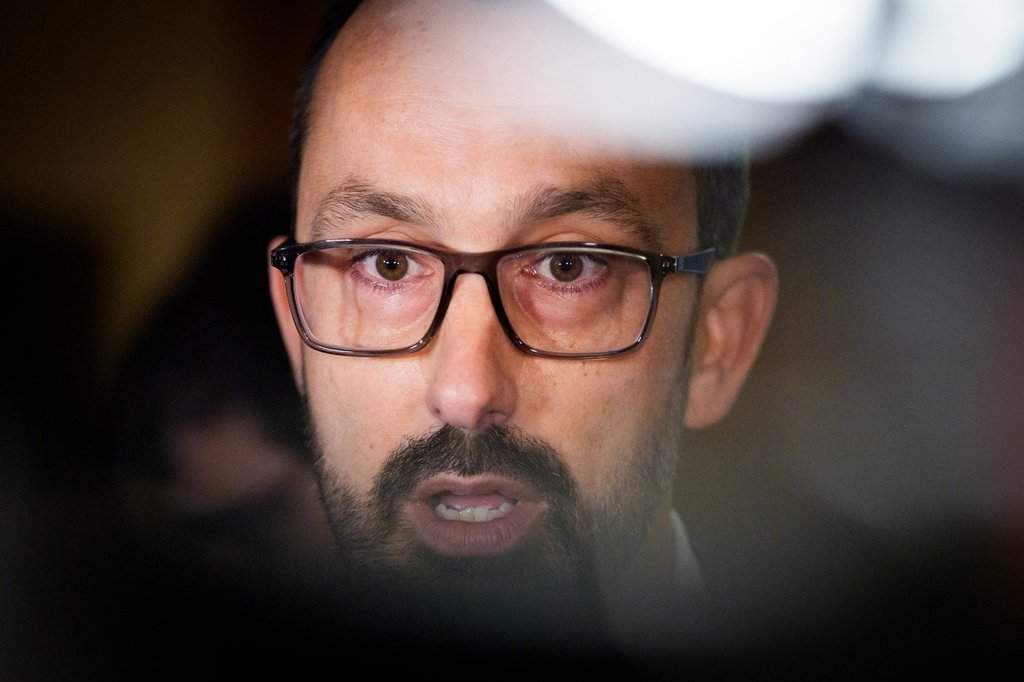
“This is a really important blueprint for reindustrializing the U.S.,” he said. “We have to take new technology and leapfrog China, not just copy what they’ve done over the last 20 years.”
While the U.S. has expanded battery manufacturing, it still depends heavily on overseas suppliers for core materials and technologies, Berdichevsky said. Sila aims to strengthen that domestic supply chain with higher-performing components.
Batteries support industries central to energy independence and national security. They power EVs, consumer devices, drones, robotics and hardware deployed in space, and provide backup electricity for data centers.
Berdichevsky said Titan Silicon can help a battery store 20%–40% more energy in the same space, cut recharging time roughly in half and deliver more power than a battery using a conventional graphite anode. The anode itself is also much lighter and smaller.
In August, Sila received a conditional federal loan commitment of up to $1.4 billion through the Pentagon’s Office of Strategic Capital to expand domestic battery technology manufacturing. The company must meet financial, legal, technical and other requirements before the loan can be finalized.
The startup previously received a $100 million grant during the Biden administration under a similar initiative to increase U.S. energy independence. Those funds helped build its plant in Washington.
The company has also raised $1.6 billion from private investors, including a $300 million round announced in July. The 15-year-old company is valued at $2.27 billion, according to PitchBook.
Seattle-area startup Group14 also makes a silicon-carbon anode material. It operates a smaller-scale manufacturing facility at its Woodinville, Wash., headquarters and produces commercial-scale volumes at a plant in South Korea.
Group14 has partially completed its Moses Lake manufacturing site but repeatedly delayed the start of production. It now targets mid-2027 to bring the first of two production units online, with no firm completion date for the second. It recently announced plans for a factory in Spain.
Growth is key to bringing down costs and making Sila’s technology competitive in mass-market batteries, Berdichevsky said.
“This is really the beginning of chapter three for our company’s history,” he said.
The first two chapters were inventing the technology and moving from grams to tons of production, he added. This phase is about reaching the mass market. Sila aims to begin manufacturing at the expanded facility in 2028, with output increasing over time.
“None of this is easy,” Berdichevsky said. “It’s not the inventing technology; it’s the manufacturing of it that’s really really hard, and we’re going to try to more than 10x the scale from what we’ve already done.”