‘Do not search Amazon’: Meta’s Muse now shops elsewhere by default
Meta's Muse AI agent now leaves Amazon out of its shopping searches unless a user specifically asks, according to the instructions Muse provides. Amazon began blocking Muse from its store in September. Read More


Two months after Amazon slammed the door on Muse, the AI agent has stopped knocking.
The shopping skill that guides Muse, Meta’s personal AI agent, now tells it to “leave out Amazon unless the user asks for it,” according to the instructions Muse provides when asked. The instructions include a template brief for Muse’s browser that says, “Do not search Amazon.”
The change was spotted last week by Juozas Kaziukenas, founder of the e-commerce research firm Marketplace Pulse, who asked Muse for the text of its shopping skill and compared it with the version from the day before. He posted the before-and-after on Friday. GeekWire asked Muse for its shopping skill and got the same language.
“Amazon blocked Muse, so now Muse blocked Amazon,” Kaziukenas wrote on X.
Muse is also told not to name Amazon as a site to search in that browser brief, “even as an example,” unless the user asked for Amazon. The skill steers the agent to Walmart and Target for general goods, Best Buy for electronics, and Home Depot or Lowe’s for home improvement.
For Muse users, not much changes in practice. Amazon began blocking Muse in September, less than two weeks after Meta launched the agent, showing anyone who tried to shop through it a message saying continued access by an unauthorized AI agent violates Amazon’s Conditions of Use. Kaziukenas said any Amazon search would fail anyway because of the block.
What’s new is that Meta appears to be going along with what Amazon asked for. When it began blocking Muse, Amazon said it had asked Meta to “remove Amazon from the experience.” Meta hadn’t said publicly how it would respond.
Meta didn’t respond to an inquiry about the change. An Amazon spokesperson said the company had nothing to share.
Amazon objected that Muse didn’t identify itself when it browsed the site and appeared to capture and store customer credentials. Meta has said Muse has no visibility into people’s passwords or payment methods. The standoff set off a broader debate over who owns the customer relationship when an AI agent does the buying.
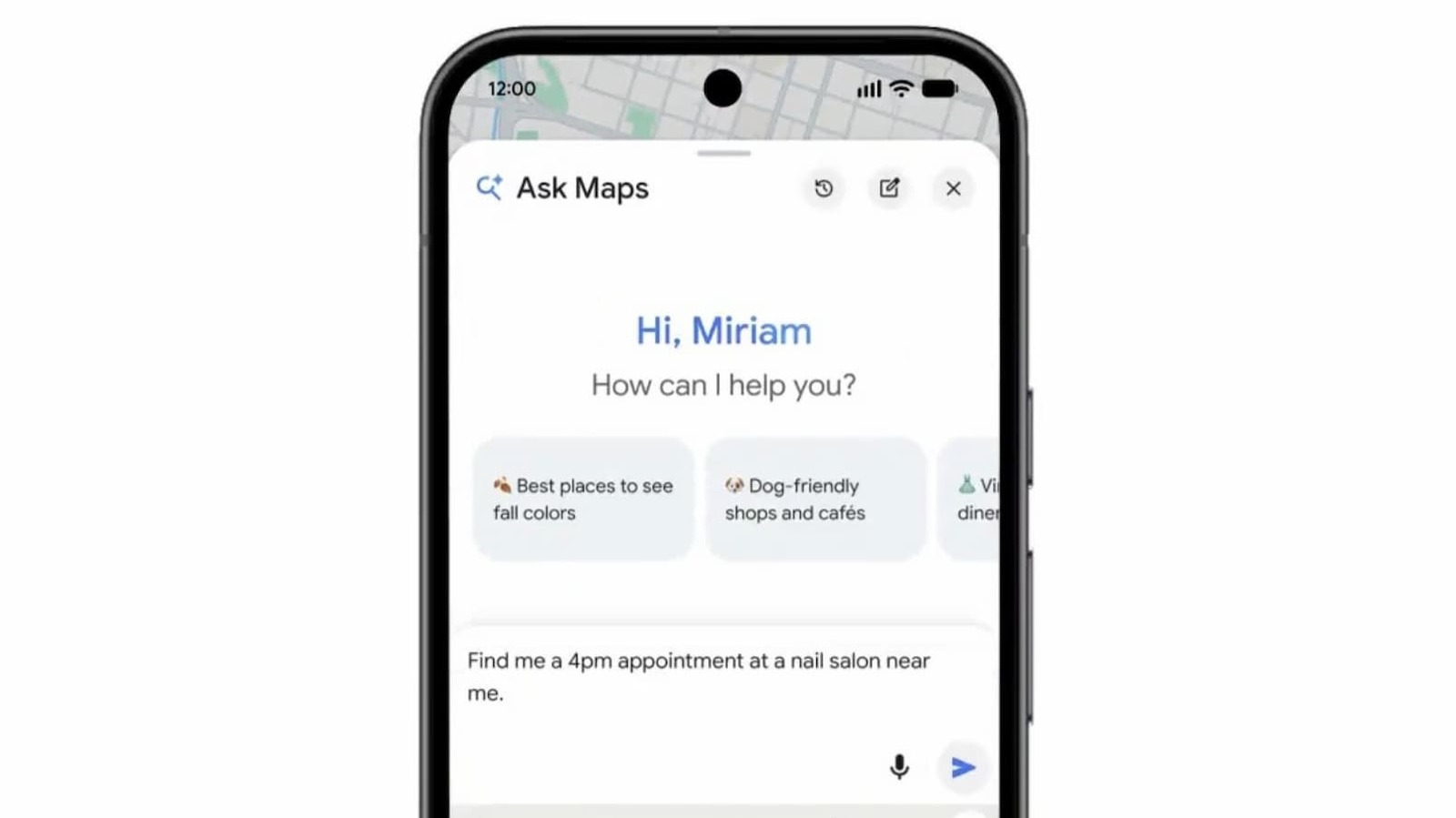
Since then, both sides have kept moving. More than 10 million people in the U.S. and Canada signed up for Muse in its first six weeks, Forbes reported, and Walmart, Best Buy, Sephora and Wayfair are among the retailers working with Meta on it.
The business stakes are high for Amazon. It generated more than $68 billion in advertising revenue last year, including sponsored products that appear as people browse its pages — ads a shopper might never see if an outside agent does the searching. Meta CEO Mark Zuckerberg has said Muse will take a small cut of the transactions it handles.
Amazon has fought this battle before, suing Perplexity last November over the shopping agent in its Comet browser. It’s now pressing that case in part on the same Conditions of Use it cited in blocking Muse.
On Amazon’s earnings call last month, CEO Andy Jassy said outside shopping agents aren’t making a meaningful dent in Amazon’s advertising business. “Few customers are doing much shopping this way yet,” he said, adding that the experience still isn’t great or more convenient than going straight to a retailer.
Jassy said Amazon expects to work with “horizontal agents,” general-purpose assistants like Muse, but believes its own Alexa for Shopping will be the main agent people use to shop Amazon. Amazon launched Alexa for Shopping in May, combining its Rufus shopping chatbot with the Alexa+ assistant. It has since started letting some customers text Alexa to shop, much as people do with Muse.