Stranger Than Heaven preview: all the makings of a unique off-beat adventure from RGG Studio
After four hours playing Stranger Than Heaven, I'm looking forward to spending a lot more time in RGG Studio's fascinating and fearless new spin on the Yakuza and Like a Dragon series.

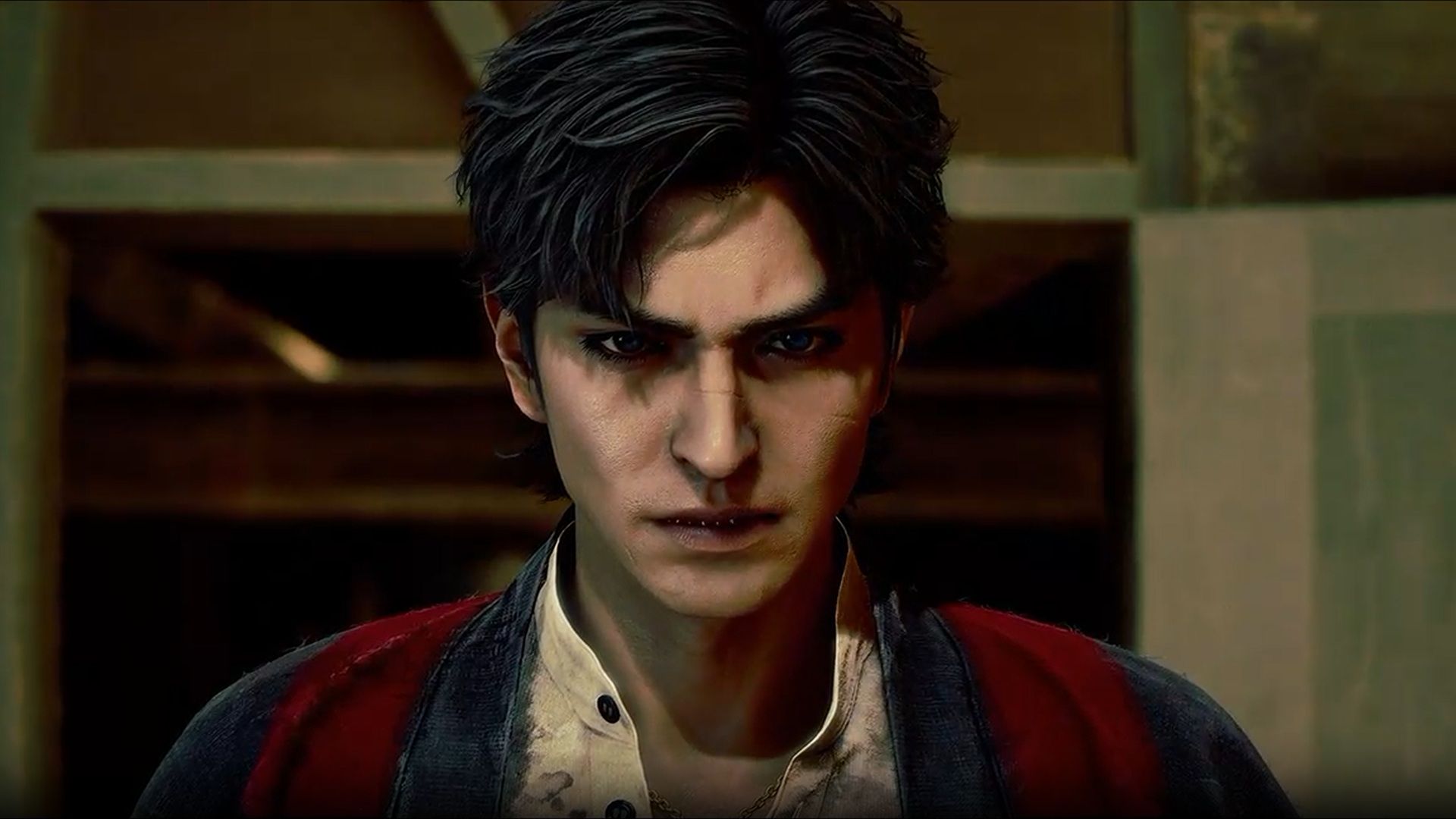
Stranger Than Heaven is exactly the sort of game I want to champion. It’s rare to see a team of young developers given a significant budget and seemingly generous freedom to create a half-century-spanning epic that tackles heavy themes while taking bold risks with both the combat and music-influenced management game at its core.
My four-hour whistlestop tour across several of the game’s time periods between 1915 and 1965 in this latest fantastical tale from the Japanese criminal underworld did make it hard to see just how well all of this ambition from RGG Studio will come together in the end. But I haven’t really stopped thinking about it since.
And when you’ve played and previewed dozens (maybe hundreds) of games, it’s harder to find ones that leave a mark like that — ones that genuinely leave you wanting to play and see more.
What I admire most about Stranger Than Heaven is that it knows what it wants to be and fully commits to that idea to create its own unique vibe.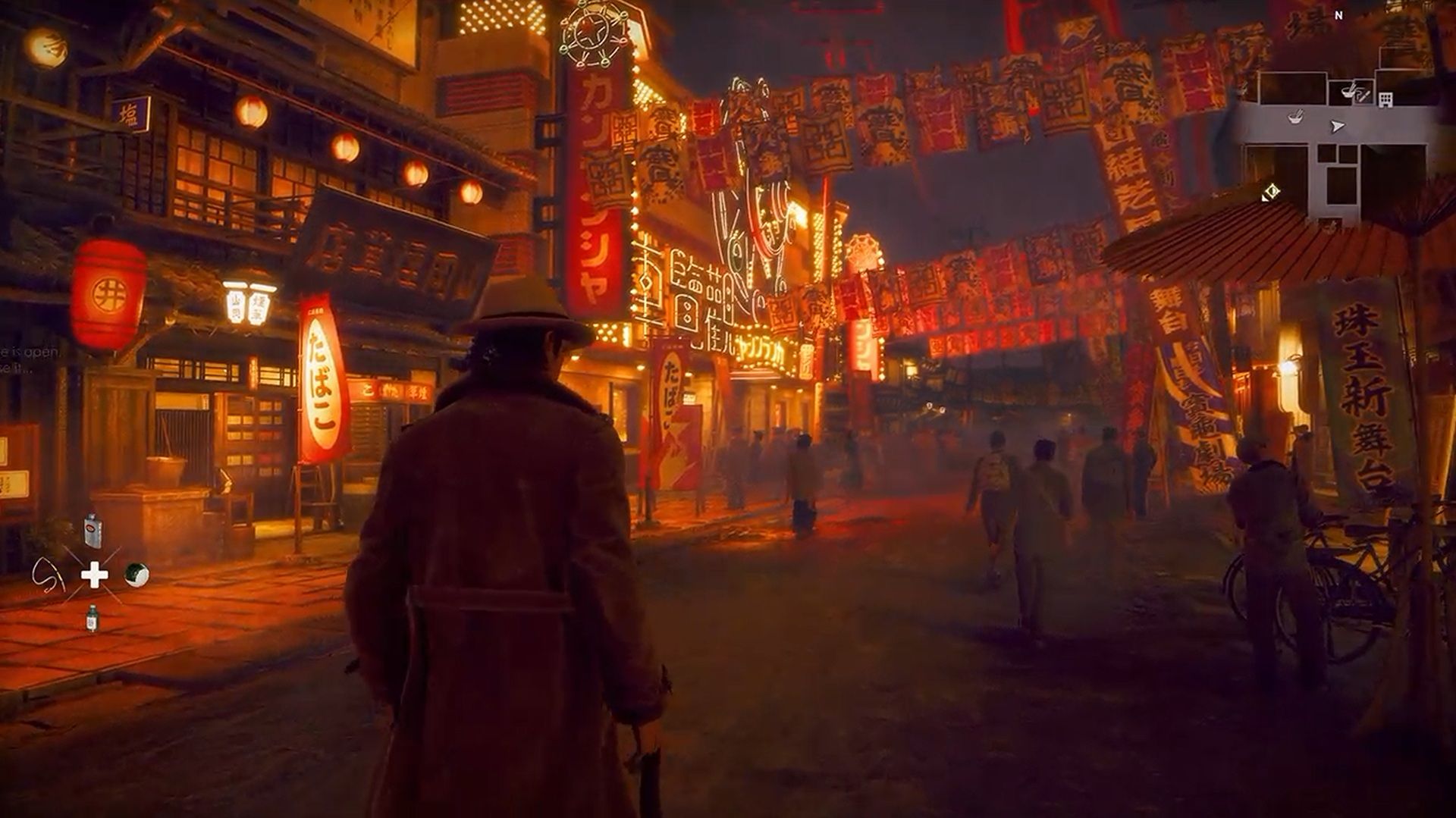
Music is the throughline. On one side, it's the way the protagonist, Makoto Daito, finds his place in a hostile world, as a way for him to break down barriers and overcome prejudice he faces as a Japanese-American immigrant.
There is a level of detail and adoration in the musical performances I saw in-game that made it easy to get swept up in the atmosphere — whether it was a professional big band showstopper full of belting brass, or an impromptu sing-a-long that draws in a large crowd on the streets of Kokura.
Play it, Daito
Music is also a fundamental part of several other aspects of the game. Mainly, it’s a key part of the main management mini-game in Stranger Than Heaven. Instead of running a hostess club or a confectionery shop as we've seen in Yakuza and Like a Dragon, Daito works as a promoter in the showbiz business. That involves creating tunes, hiring talent, scoping out venues, drawing in punters, and making sure performances run smoothly.
I dabbled with putting on a show or two, and can see how it has the potential to be another all-consuming distraction that RGG is known for, diverting you away from the main story for many hours. There’s a satisfaction to tinkering with all aspects of the performance to rake in the most cash, ensuring you’ve got the best singers and musicians performing the right sort of music in the right venue to suit the audience’s mood.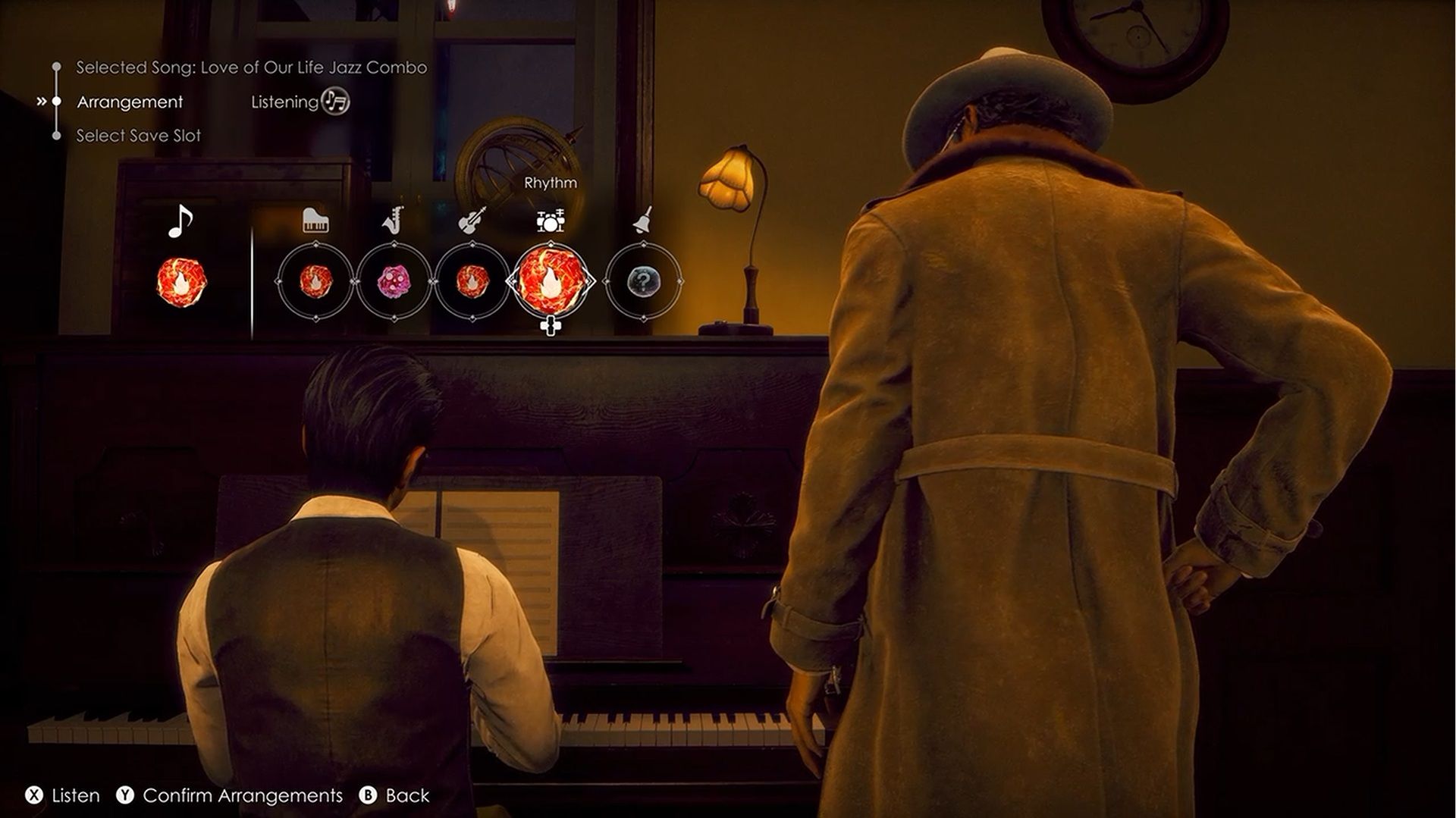
What also keeps that music throughline in other areas of the game is the way you draw inspiration for your next tracks and shows from the world around you. Those sparks also come from the combat, with small flashes or cues as kicks and punches fly that you can focus in on to unlock new sounds, instruments, or playing styles.
It’s a nice way to tie the game together, although I’m very aware that combat was a point of contention for some in earlier previews. I definitely struggled to grasp it fully in the beginning, but I was starting to get into the flow of it by the time I was wrapping up my time with the game. It has its own rhythm, swapping out flashy attacks and arcade-style simplicity from prior Yakuza games for more grounded and messy fistfights.
Mastering the art
It does require a bit of controller contortion to execute fully, with actions for your left and right hands and legs split across the left and right bumpers and triggers. Throw in directional blocking, perfect parries with spot-on timing, and the need to dodge some attacks, and it’s a lot to hold in your head and execute with ease.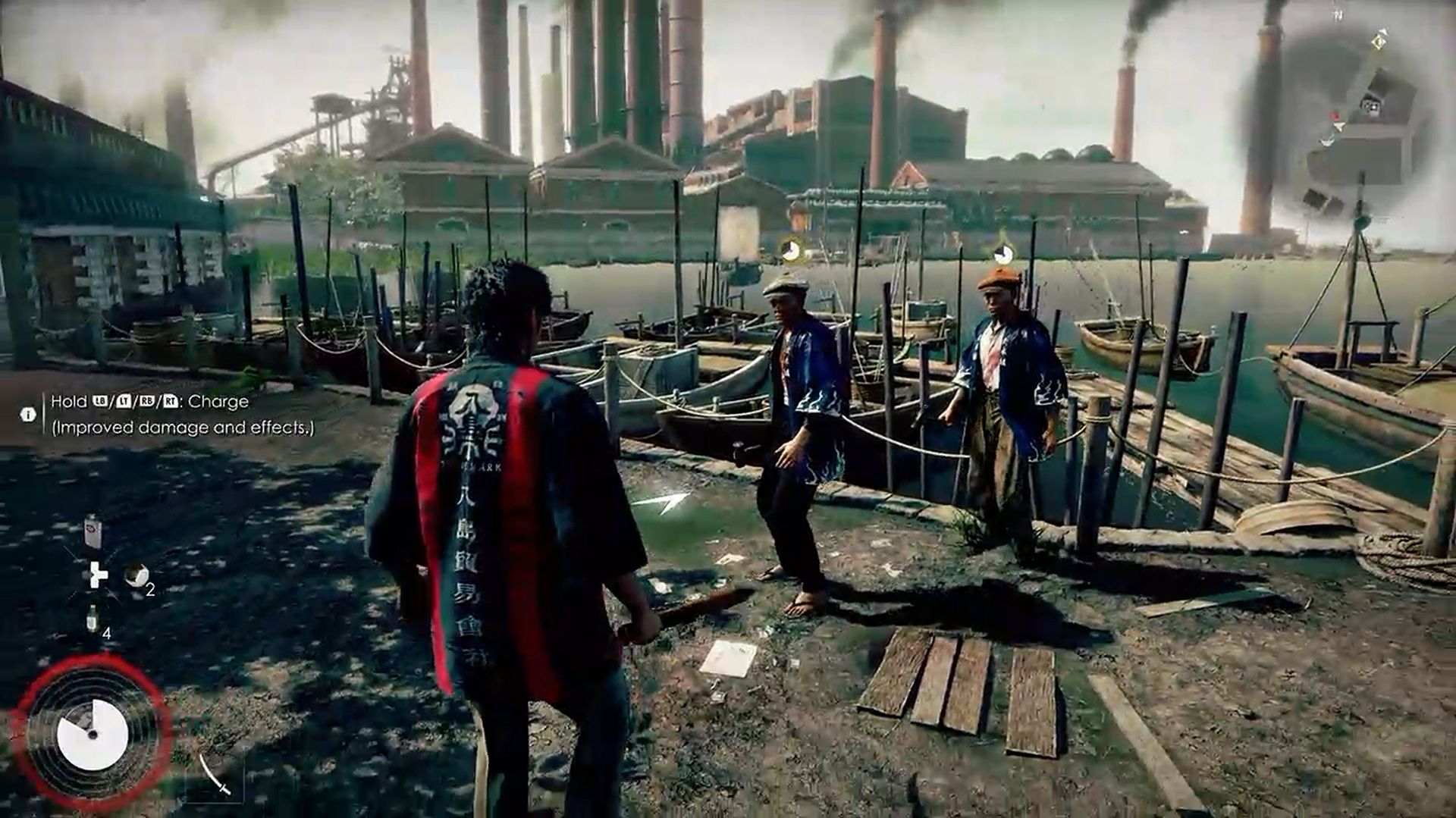
Weapons add another dynamic, ranging from swords, knives and batons to more improvised weaponry such as crowbars and a giant wooden mallet. These can be found or bought and switched between mid-combat to give you a bit more fighting power against multiple foes or tougher enemies.
Oh, and there’s ‘willpower’ too: a resource that you and opponents have that can be whittled down with repeated attacks, eventually causing you or them to fall to the floor when it’s emptied. You can then punish them with more severe finishers or find yourself fending off an assault while prone so you can get back on your feet.
It is a lot. And with pretty much all of these elements introduced from the first fight, I was getting beat up fairly regularly for a while. As I say, though, I eventually grew to like it with more practice, and I found myself taking down a few of the tougher enemies that are hiding around the game’s different locations in some extended but rewarding duels.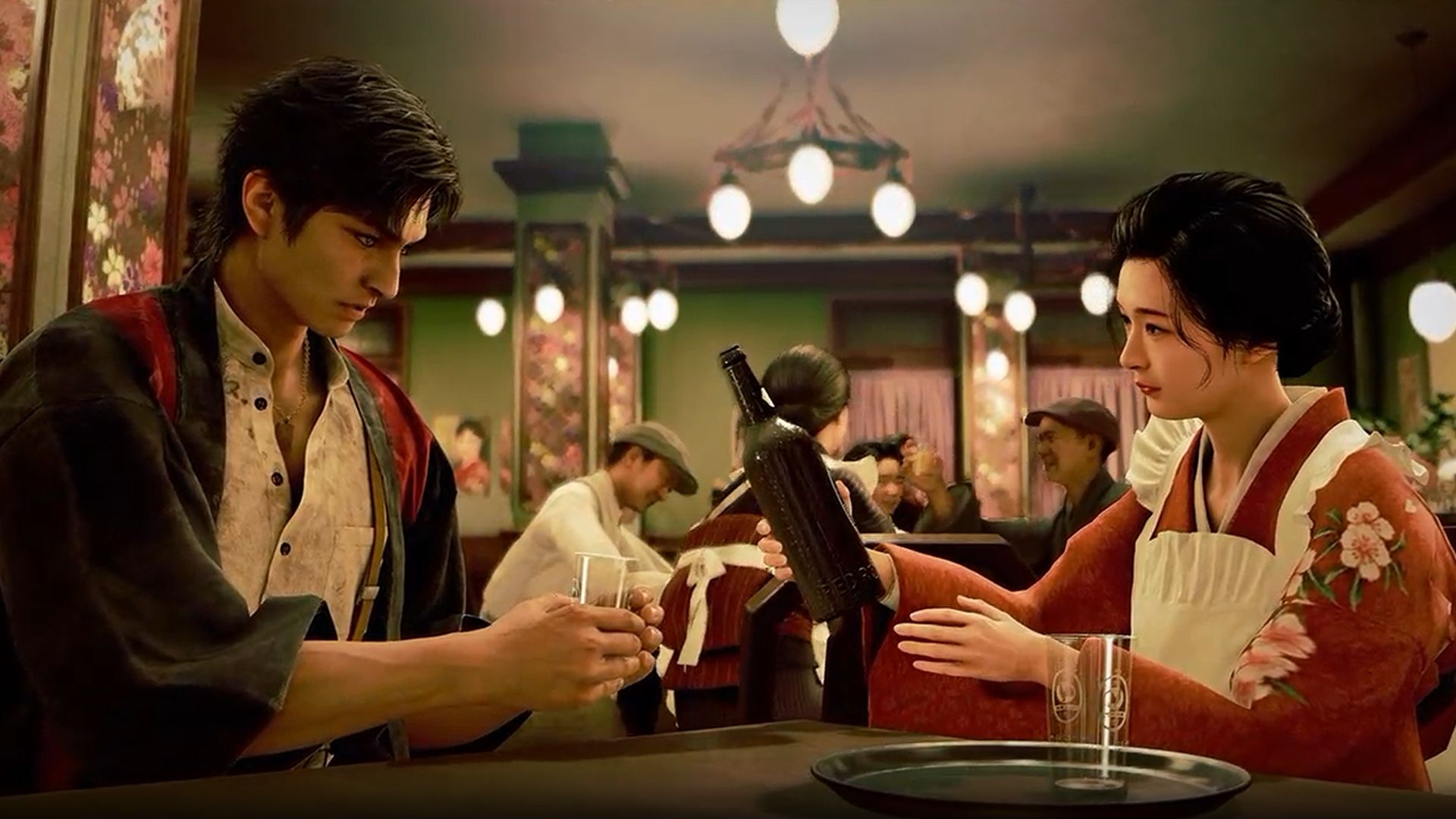
Those fights are just one of the many distractions that are dotted around the game’s towns, which include all sorts of games to play, items to find, and arenas to fight in. Even just exploring the spaces was fascinating, especially wandering through the entertainment capital of Sotenbori. It hits you with an overwhelming cacophony and a barrage of lights that RGG fans will be eager to experience in this different time period.
I think that’s what I appreciated most about Stranger Than Heaven: it does exist within that same universe of the existing RGG games, but is its own adventure in a new and confident direction.
Yes, it’s building off the Yakuza and Like A Dragon elements that are clearly in its DNA — in terms of the mix of brawling and business management, as well as its approach to story and presentation. But it feels like its own evolution. Or, to speak in the game’s terms, it’s several familiar melodies and motifs that have been remixed into a surprising new composition.
Stranger Than Heaven launches on PlayStation 5, Xbox Series X and Series S, and PC on January 25, 2027.