The More AI Content Floods the Market, the More Valuable Real People Become: 41 Studies Reveal Five Major Trends for Brand Growth in 2027
Author: Stacy MuurTranslated by: TechFlowTechFlow Summary: Over the past decade, GTM and user acquisition strategies have relied heavily on paid advertising, influencer traffic collaborations, and traditional SEO rankings. However, with the proliferation of AI-driven information retrieval and content generation, the old growth paradigm is rapidly becoming ineffective. Users' growing vigilance toward machine-generated content is forcing distribution logic to return to authentic value.Prominent growth researcher Stacy Muur has deeply analyzed 41 authoritative industry surveys to extract five fundamental trends heading into 2027. From semantic fan-out public relations in the AI search era to the clearing of the influencer bubble and the premium on human-made content, this article provides highly forward-looking tactical reconstruction guidance for startup teams and market decision-makers.The Complete Revival of Public Relations and Link BuildingOver the past decade, I have been helping va

Author: Stacy Muur
Translated by: TechFlow
TechFlow Summary: Over the past decade, GTM and user acquisition strategies have relied heavily on paid advertising, influencer traffic collaborations, and traditional SEO rankings. However, with the proliferation of AI-driven information retrieval and content generation, the old growth paradigm is rapidly becoming ineffective. Users' growing vigilance toward machine-generated content is forcing distribution logic to return to authentic value.
Prominent growth researcher Stacy Muur has deeply analyzed 41 authoritative industry surveys to extract five fundamental trends heading into 2027. From semantic fan-out public relations in the AI search era to the clearing of the influencer bubble and the premium on human-made content, this article provides highly forward-looking tactical reconstruction guidance for startup teams and market decision-makers.
The Complete Revival of Public Relations and Link Building
Over the past decade, I have been helping various teams develop and refine their GTM (Go-to-Market) strategies. Frankly speaking, the profound upheaval currently unfolding forces every practitioner to reassess the growth toolkits they rely on.
AI is changing not just how people discover products; it is completely disrupting how marketers validate growth hypotheses, the conversion efficiency of paid ads, and audience receptiveness to influencer content.
The operational logic of AI search differs fundamentally from traditional search engines: it does not merely mechanically answer the specific prompts you input.
Instead, AI breaks down the user's original question into a set of interrelated "sub-questions," searches each one individually, and then generates a comprehensive answer based on the aggregated information. Google refers to this mechanism as "Query Fan-Out." Its VP of Search Products once vividly described it as a series of associations independently conceived by the system: such as recommending great restaurants, unique bars, and kid-friendly activities.
In other words, the system itself already presupposes a semantic core and radiates associative connections around it. At this point, your webpage's ranking for the original primary keyword no longer holds decisive significance. According to an Ahrefs survey, among all reference links cited by AI assistants, only about 12% rank within the top 10 Google search results for the original prompt.
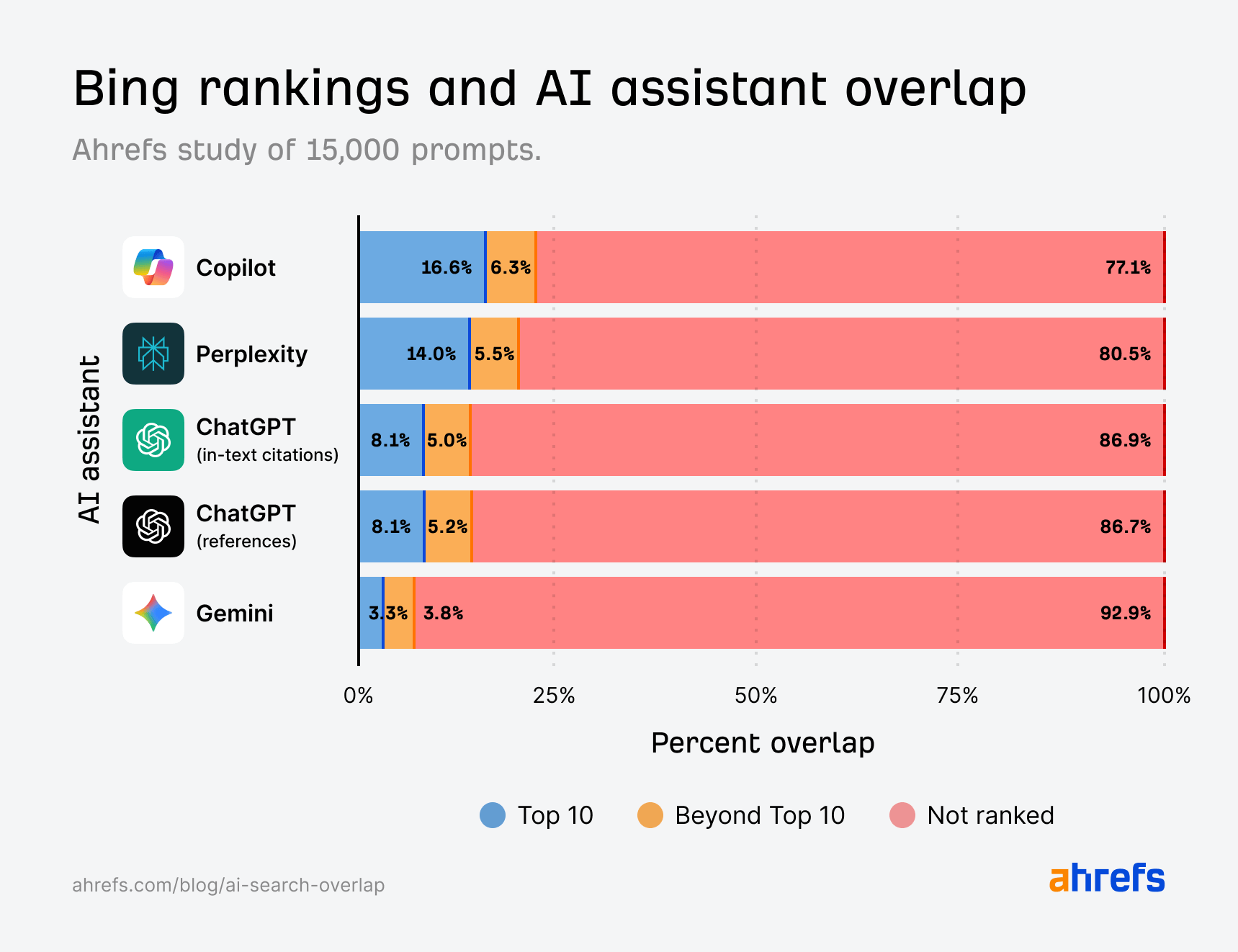
My take: The future key to winning is no longer competing for the top spot on a single search keyword, but rather appearing widely across information nodes capable of answering those derivative sub-questions, while ensuring your brand forms a tightly bound semantic association with core topics.
Banner Blindness Spreads to Creators as the Influencer Bubble Begins to Clear
People long ago learned to automatically ignore banner ads on webpages (Banner Blindness); now, they are also learning to tune out bloggers' sponsored promotional content.
A Gartner special survey targeting 1,006 American consumers found that 35% of respondents stated that due to the flood of AI-generated content, they now increasingly rely less on influencer bloggers to obtain product information.
I believe the influencer marketing bubble is gradually bursting and returning to a rational efficiency range. Short-term one-off sponsorships often struggle to deliver strong return on ad spend (ROAS); true commercial returns largely come from long-term, in-depth, sustained collaboration (IPA's retrospective study of 220 influencer marketing campaigns provides detailed evidence for this).
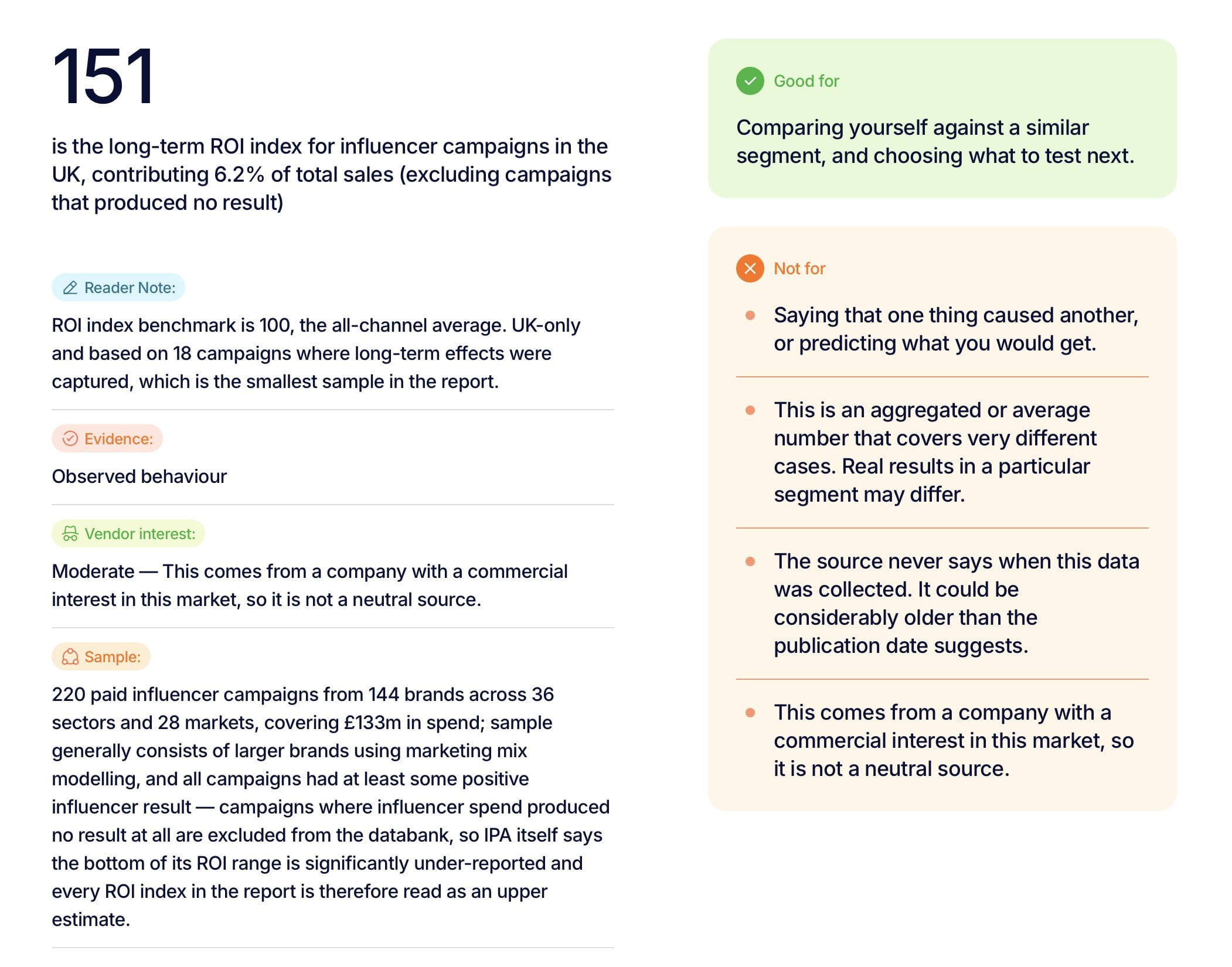
My assessment: By 2027, brands will significantly slash one-off scattered sponsorship placements, shifting budgets toward fewer but more deeply partnered creators with longer collaboration cycles.
Brands Build Differentiated Moats Using "Authentic Human-Created Content"
Consumer skepticism toward AI-generated marketing content is growing, which is entirely understandable. Consider several recent authoritative consumer survey data points:
• 50% of U.S. consumers prefer brands that avoid generative AI in their audience-facing content (Gartner report);
• 57% of U.S. consumers explicitly state that AI-generated content makes them less trusting of brand communications (Gartner report);
• 67% of UK consumers feel psychologically uncomfortable when advertisements use AI-synthesized human images (Optimizely report).
An independent survey led by Emplifi further shows that AI-generated content ranks last in "authenticity score" among consumers, with only 31%:
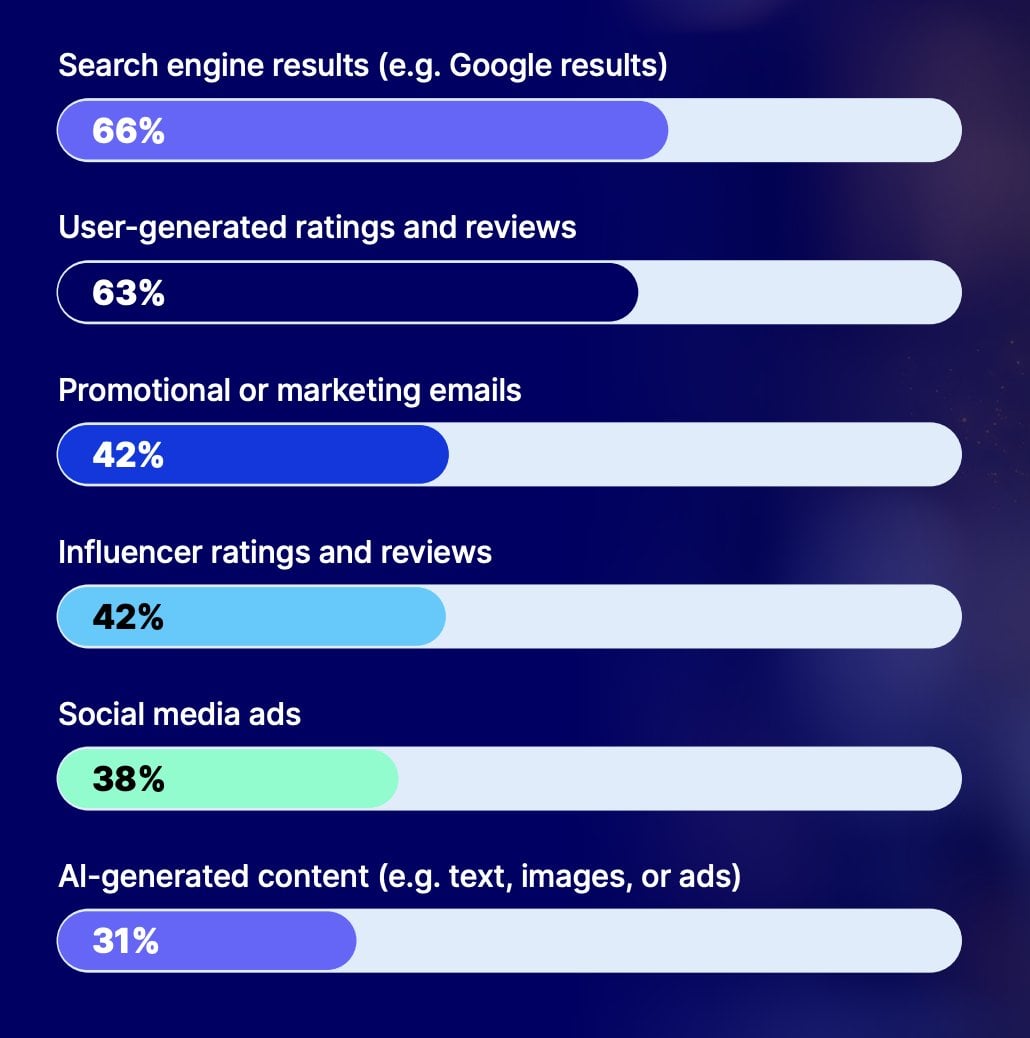
We will soon see more brands highlighting genuine original photography, bringing real, specific creators to the forefront, or clearly labeling their work with "Made by Humans" tags.
My assessment: By 2027, brands will increasingly leverage "purely human-crafted content" as a core selling point and trust anchor.
User Co-Creation and Early Superusers Become Scarce Assets
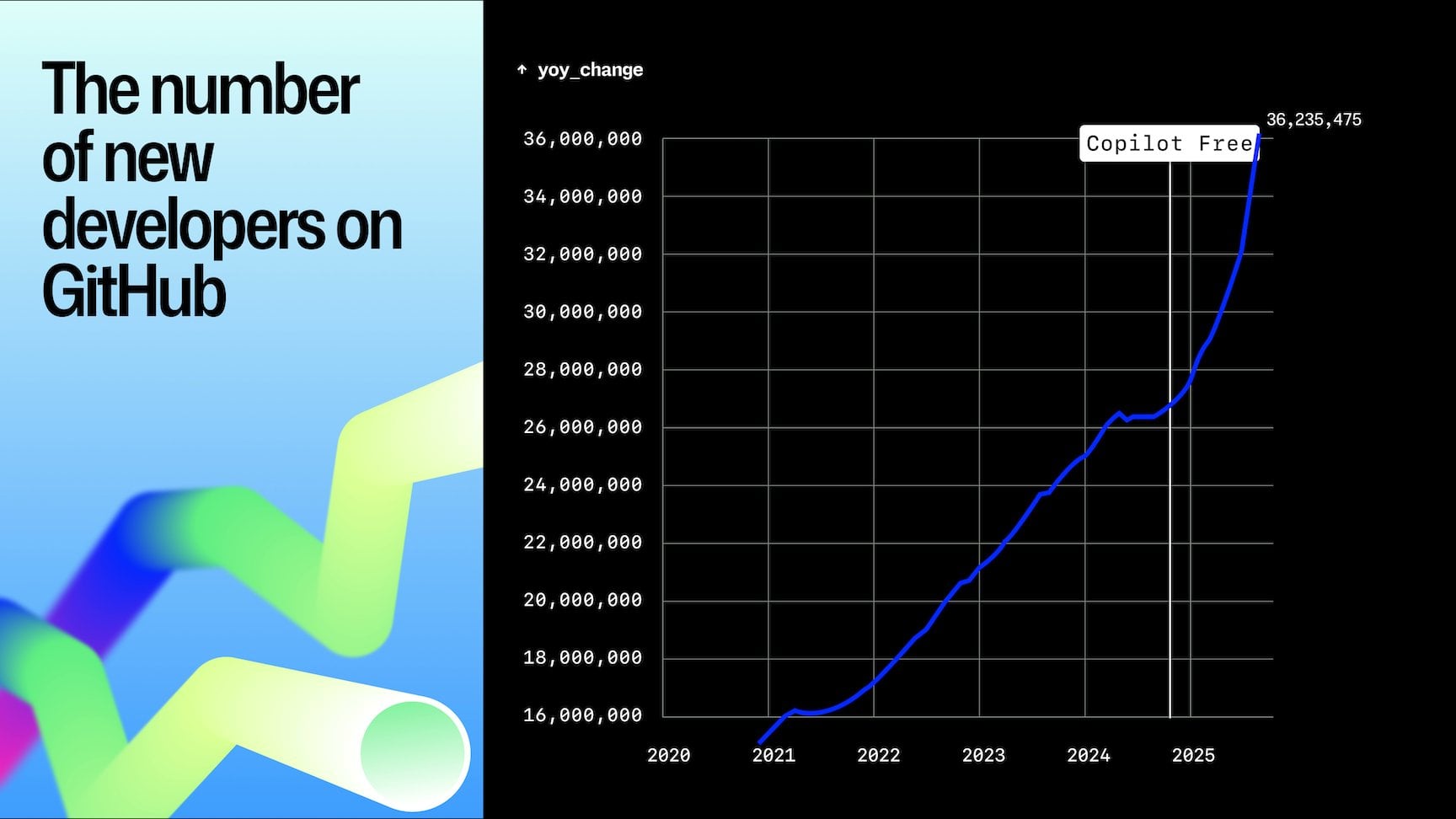
In today's technological landscape, the barrier to building a digital product has dropped to an all-time low.
According to the GitHub Octoverse annual report, the 2025 calendar year witnessed nearly 1 billion code commits and 121 million brand-new repositories, representing a year-over-year growth in code commits of up to 25%. Alongside this, an increasing number of products are being built by solo operators: Carta data shows that in the first half of 2025, 36.3% of new startups in the U.S. were founded by Solo Founders, compared to just 23.7% in 2019.
Building products has become incredibly easy, but constructing distribution moats has become unprecedentedly difficult.
A solo founder can refactor an entire product from scratch based on an idea in a single day, yet they barely have marketing budget to burn and cannot afford to sink an entire quarter into wasted costs. Therefore, the lowest-cost path to growth is to onboard precise early core users as soon as possible, engage with them through in-depth face-to-face conversations, and rapidly iterate and refine the product.
My assessment: Market demand for customer co-development and access to cross-disciplinary high-net-worth core user networks (such as vertical communities, expert review panels, and research advisory networks) will surge dramatically by 2027.
Personal IP Becomes the Core Flywheel Driving Enterprise Growth
Buyers want to see endorsement proof from real humans, not cold organizational brand statements.
Optimizely's survey of UK respondents indicates that 72% of consumers prefer interacting with content that possesses "human warmth" rather than mechanical automation. Consequently, I observe that a company's primary media narrative is shifting toward individuals who do not directly sell but instead genuinely discuss the products they build: starting with founders, followed closely by core team members.
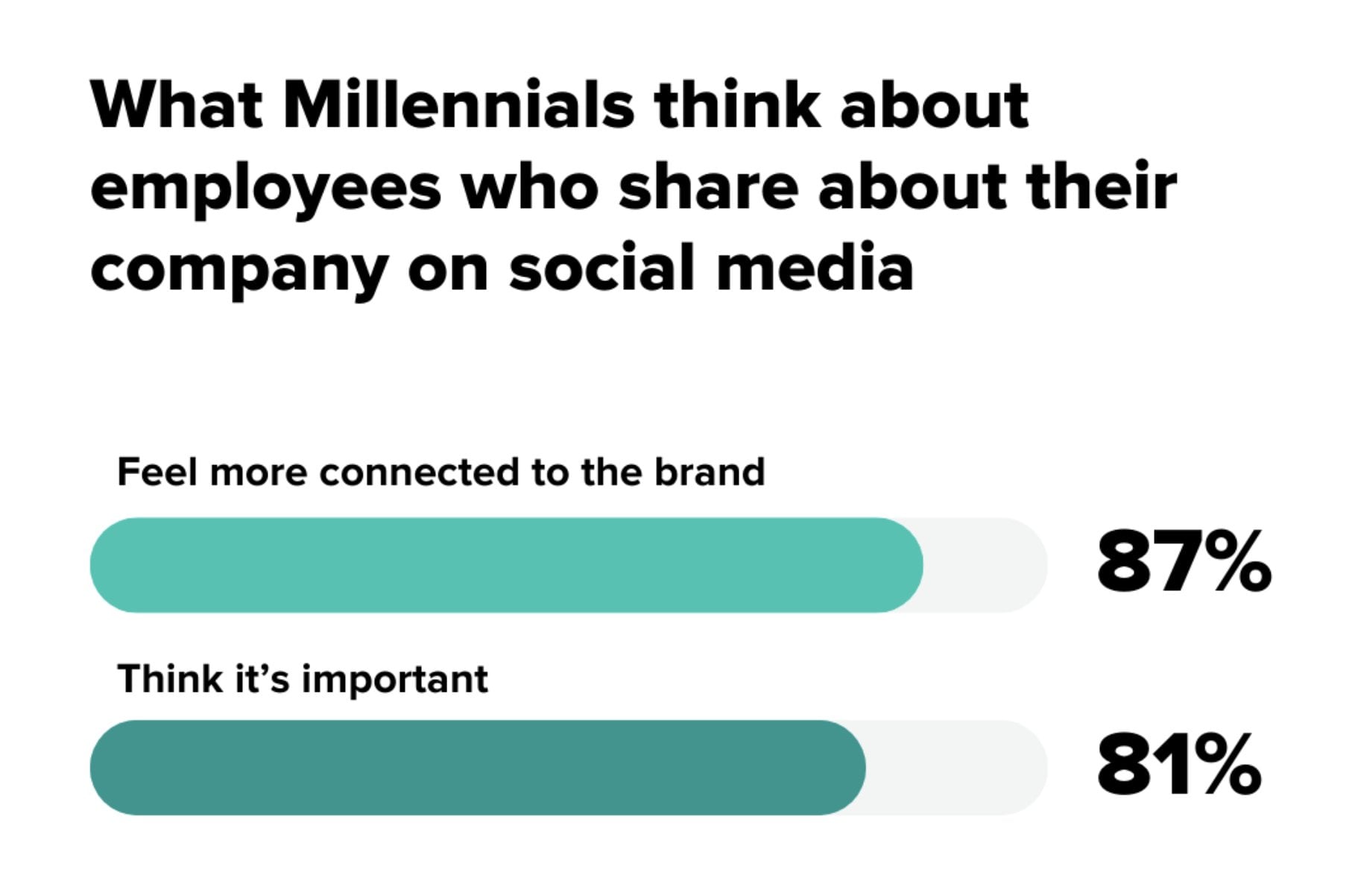
This shift is also reshaping career development pathways. Maintaining an influential X, Instagram, or Substack account is becoming a crucial component of a professional's personal value. This intangible asset not only significantly boosts salary premiums but also represents core value that companies are increasingly willing to pay extra to acquire.
My assessment: By 2027, personal IP will become one of the most core flywheels driving enterprise growth, and business organizations will be increasingly willing to pay a premium for this value.
Conclusion: The Trade-offs in Marketing Budget Allocation
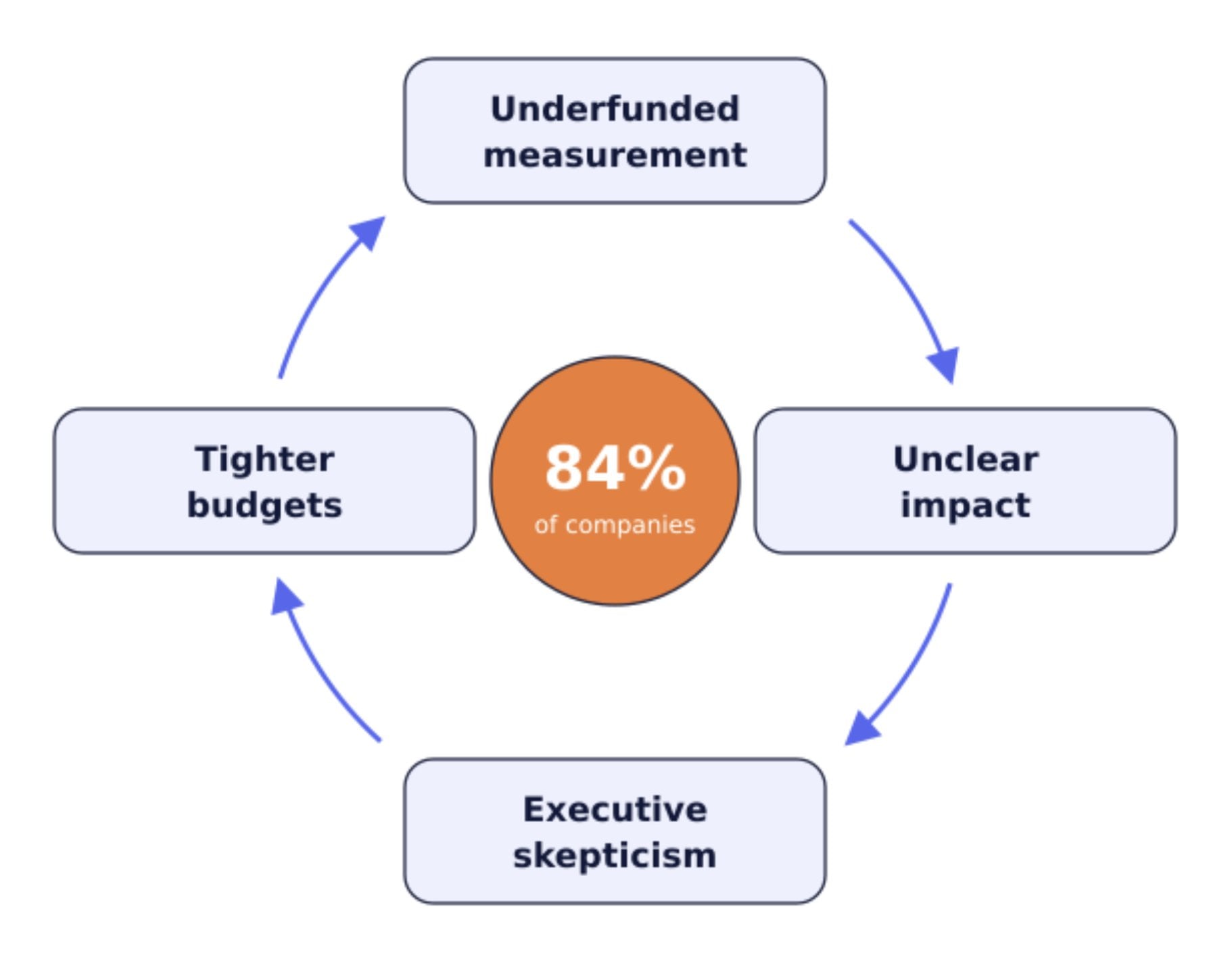
Facing future industry shifts, my advice to teams is to maintain higher prudence in marketing budget allocation.
Test emerging AI ad formats in small steps with clear conversion targets, while investing more sustainably and consistently in four foundational channels: PR exposure, long-term creator partnerships, team personal brand assets, and deep distribution collaborations.
I recommend starting to cultivate these high-value interpersonal and brand connections as early as possible, because building genuine trust requires an extremely long period of accumulation. Future user acquisition will only become increasingly competitive; do not let hesitation dilute your first-mover advantage.