The Pentagon has a covert tech sabotage agency that they really don’t want you to know about — and there are big questions about its oversight
Disruption of foreign tech through disinformation, cyberattacks, and sabotage could be the future of this new Pentagon office.

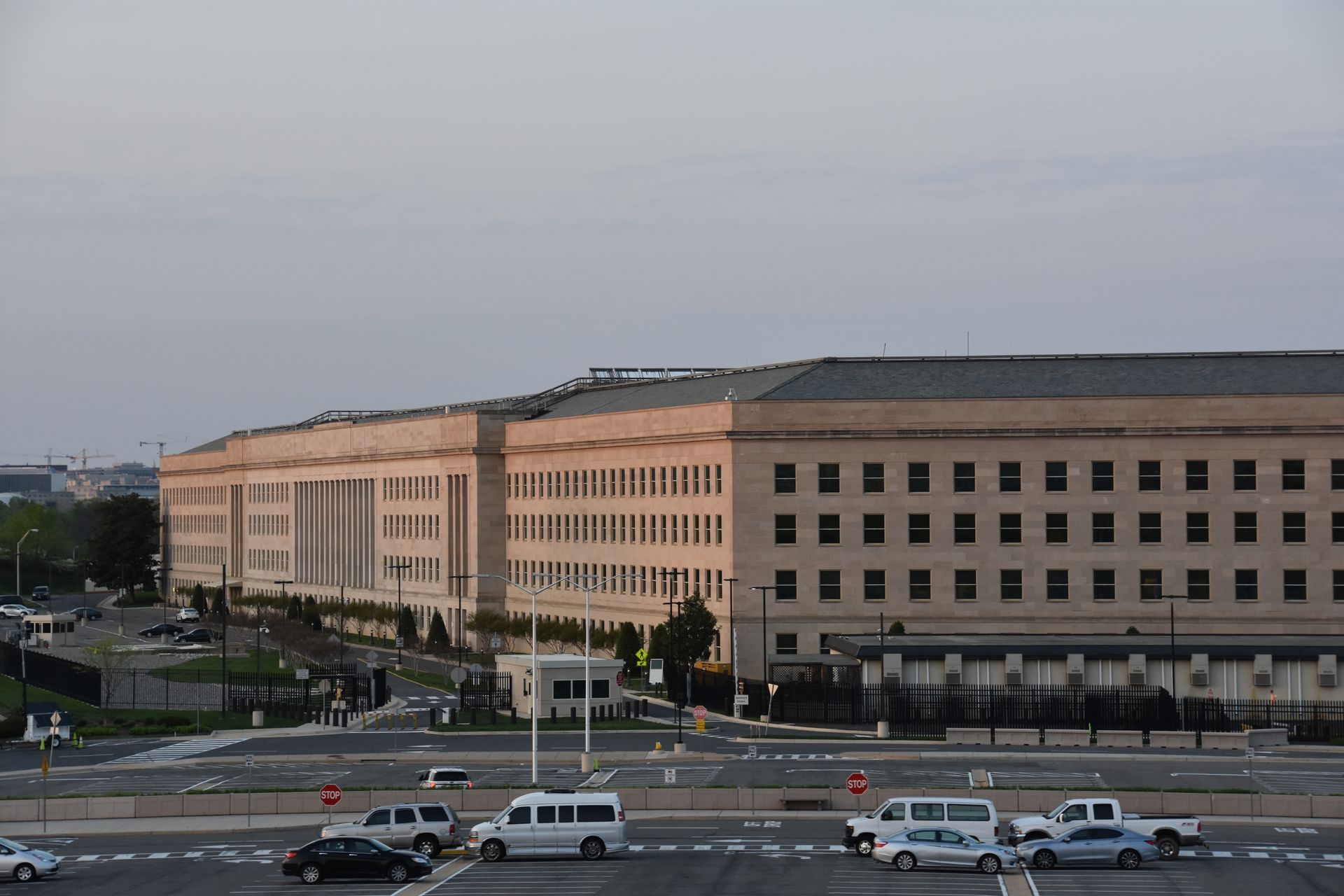
- The Pentagon has set up a new covert surveillance office dubbed the Information on the Technology Support Office
- The Office's purpose is to disrupt foreign tech developments that could harm the military superiority of the US
- Numerous intelligence officers are on board with the idea, but there are concerns about how operations would be overseen
A new arm of The Pentagon has been quietly set up to aid the US military in attacking foreign technology programs that could pose a threat to US superiority.
If you had never heard of the Information on the Technology Support Office, you’d be forgiven for thinking it could be an IT or troubleshooting help desk for the Department of Defense. But it is only mentioned by name in just a few Pentagon records.
The TSO - as it is known within the Pentagon - was quietly set up in April by merging two classified Pentagon intelligence programs active since 2023. Their purpose was to covertly sabotage foreign tech. According to current and former US national security officials who spoke to Politico, the TSO’s role is to expand upon this clandestine sabotage at the global level.
US expands clandestine tech sabotage capabilities
According to those who spoke to Politico, the TSO is the brainchild of Deputy Defense Secretary Steve Feinberg and his senior advisor Tom Rakusan. Prior to setting up the TSO, Feinberg was the former head of the White House’s Intelligence Advisory Board during Trump’s first term, and Rakusan has long been involved in the CIA’s clandestine service.
From a national security perspective, the TSO would operate to counter foreign threats to the US. These could include malicious uses of artificial intelligence, or new emerging technologies such as drones or robotics. These threats would be countered using the same tactics foreign adversaries leverage to harm the US - cyberattacks, supply chain disruptions and disinformation operations.
Many of those Politico spoke to argued in favor of the TSO. The world is entering a new, more uncertain and more technologically advanced period where the bar for catastrophic disruption has been significantly lowered, and securing the safety and superiority of the US is a primary concern in this regard.
“It is a refocus from the highest levels of the government on this type of activity, which has been sorely needed,” one former senior Pentagon intelligence official told Politico.
But another former senior Pentagon official has raised questions about the TSO’s oversight and regulations. “What are the approval structures, what is the oversight, who is read in to give the American people confidence that what you’re doing is consistent with our values and you’re not creating something that five years from now will be seen as incredibly problematic?” the official said.
An echo of espionage from a bygone era?
From speaking to current and former senior officials, Politico learned that the TSO does not have the ability to launch operations directly, and instead procures the tools needed to disrupt foreign adversaries through teams of engineers, special operators and intelligence officers.
The TSO will essentially work as a pipeline for connecting other Pentagon programs, alongside acting as a center for pooling approved cyber sabotage tools that other arms of the Pentagon can use.
But there is concern from the upper echelons of the Pentagon that the TSO could end up overstepping its bounds if there is not enough transparency into its operations. The covert nature of the TSO is a double-edge sword in this regard. The fewer people who know about its operations, the more covert it is. But having congressional oversight could make too much of the TSO’s work public.
One current US national security officer said, “Because it’s a classified space, there’s even more opportunities to hide or misdirect.”
When questioned about the TSO and its purpose by Politico, Deputy Pentagon Press Secretary Jacob Bliss said, “This query appears to be built on information that is simply not true. Whoever is feeding you these claims are either badly misinformed or deliberately leading you astray to peddle their fantasies.”
There is a historical penchant for US intelligence agencies to overstep the bounds of their jurisdiction in pursuit of national security. The NSA’s predecessor - known as the Black Chamber - coerced telegraph companies into illegally handing over foreign cable traffic. Project SHAMROCK continued this work in collecting all telegraphic data that entered or exited the US.
COINTELPRO programs in the second half of the twentieth century ranged from disinformation and domestic surveillance to wrongful imprisonment and political assassinations. In more recent memory, there have been concerns that surveillance conducted under the PATRIOT Act and CALEA Act may have significantly overstepped their bounds.